
An anesthetic gas scavenging system is a system used in hospital operating rooms to treat the waste gases generated during anesthesia. It collects, purifies, and safely discharges anesthetic waste gases in medical environments such as operating rooms. Just like a range hood in our homes, it can promptly suck up the “fumes”—anesthetic waste gases—generated during surgery and discharge them to a safe location.
The AGSS (Sistema de eliminación de gases anestésicos) uses negative pressure suction to rapidly collect anesthetic waste gases from the anesthesia machine, breathing circuit, or terminal unit, preventing the accumulation of anesthetic waste gases in operating rooms, Salas de emergencia, and treatment areas, thus protecting the health of medical staff and patients, ensuring air safety, and reducing environmental pollution.

1. Why Must Hospitals Install an AGSS Unit?
1️⃣ To Protect Healthcare Workers
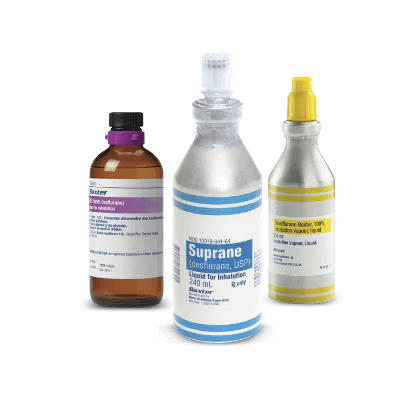
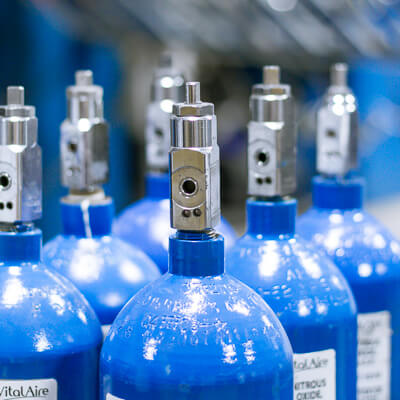
Anesthetic gases, represented by nitrous oxide (comúnmente conocido como “Gas de la risa”), have been widely used for over a century since Harvard University first used them for clinical anesthesia in January 1845. Óxido nitroso, along with volatile anesthetics such as sevoflurane, Desflurano, and isoflurane, are hardly metabolized in the human body and are mostly exhaled. If these waste gases are released directly into indoor or atmospheric air without treatment, they pose a continuous and cumulative risk of exposure.
For healthcare workers, long-term inhalation of anesthetic waste gases can lead to acute reactions such as dizziness, cefaleas, decreased concentration, fatigue, and irritability. It may even cause serious health risks such as liver and kidney damage, neurological disorders, miscarriage, fetal malformations, and even cancer. Anesthetic waste gases contain some harmful components, such as nitrous oxide and fluorinated alkanes. Prolonged exposure to such an environment can threaten the health of healthcare workers. AGSS can significantly reduce this risk and prevent healthcare workers from long-term exposure to anesthetic gases.

2️⃣ To Protect the Environment
If anesthetic gases are directly released into the atmosphere, they will pollute the environment. AGSS can filter and treat the fumes, reducing environmental harm.

3️⃣ To Meet National & International Standards
Major global medical gas standards—including NFPA 99, ISO 7396-2, and various national medical gas codes—mandate the installation of AGSS in medical facilities for occupational protection and environmental protection. These standards clearly stipulate the methods for collecting, transporting, and discharging anesthetic waste gases.
* Common Misconception
Some might think that since anesthetic gases are so harmful, the use of anesthesia should be avoided as much as possible during surgery. This is incorrect. Anesthetics play a crucial role in surgery, allowing patients to undergo procedures painlessly and reducing their suffering. The Anesthetic Gas Scavenging System ensures that gases generated during surgery are properly treated and do not harm human health or the environment.
💡 Practical Advice: For hospitals, regularly inspecting and maintaining Anesthetic Gas Scavenging System is extremely important. This ensures the system remains in good working order, safeguarding the health of medical staff and patients. Al mismo tiempo, medical staff must strictly follow operating procedures when using anesthetic drugs to avoid unnecessary gases generation.
2. Evolution of AGSS Technology
2.1 First Generation – Direct Negative Pressure System
The first-generation negative pressure anesthetic gas emission technology originated in the UK. This device directly connected the negative pressure to the anesthesia machine’s exhaust port. Sin embargo, due to unstable control and its potential to affect the anesthesia machine, it was phased out.
2.2 Second Generaticon – Positive Pressure (Jet) Sistema
The second-generation anesthetic gas scavenging system uses positive pressure anesthetic gas emission technology, also known as jet emission technology. The basic principle of this device is to use the positive pressure of the operating room and the positive pressure of compressed air to create a negative pressure zone that carries away the exhaust gas. It is still used to a limited extent. Its disadvantages include the need for an air source to drive it, a relatively low negative pressure flow rate, and a tendency for exhaust gas leakage.
2.3 Third Generation – Active Vacuum AGSS (Modern Standard)
The third-generation anesthetic gas scavenging system uses active negative pressure emission technology. The principle is to utilize the negative pressure generated by a central negative pressure pump. This negative pressure is connected to an anesthetic gas recovery and buffer device, which also has vents to discharge excess exhaust gas or draw in outside air.

3. How AGSS Works
AGSS uses a blower to generate a stable and controllable vacuum negative pressure, drawing anesthetic waste gases from operating rooms, Máquinas de anestesia, Unidades de cuidados intensivos, Salas de emergencia, and treatment rooms into the system’s gas pipelines and ultimately discharging them to a safe area, preventing harmful gases from lingering indoors.
The AGSS plant includes: a blower (the core power source), an air intake filter, a pressure sensor (for real-time monitoring of system negative pressure), a PLC intelligent control system, an alarm device, and an unloading valve to achieve precise negative pressure regulation. The entire process operates automatically without manual intervention.

4. Key Advantages of the AGSS Plant
4.1 Intelligent Control with Low Maintenance Costs
PLC automatically monitors and switches operating modes, including automatic/manual/remote control, dual fan rotation, automatic negative pressure stabilization, fault self-diagnosis and alarm, allowing users to manage without professional technical expertise.
4.2 High Safety Level
High safety design, overload protection, overpressure stop, leakage protection, independent circuit, and audible and visual alarm system, ensuring stable 24/7 operation and continuous provision of medical negative pressure suction without affecting surgical procedures.
4.3 Full Compliance with International Standards
Complies with international medical gas engineering technical specifications, NFPA-99, ISO medical piping standards and hospital building engineering specifications, meeting the bidding requirements of government projects, international NGOs, and foreign aid projects in different countries and regions.
4.4 Compact Modular Skid Design
Integrated skid-mounted structure, single-point connection, modular design, Huella pequeña, Instalación sencilla, suitable for old hospital renovation and new construction projects, requiring no complex foundation engineering.
4.5 Easy Maintenance with Touchscreen Operation
Easy maintenance, user-friendly visual interface. The touch screen interface provides: ope
rating status, real-time negative pressure value, fault information, maintenance reminders, and parameter adjustment, allowing hospital engineering departments to easily manage the unit.
5. Where AGSS Is Used
Agss plants are suitable for use in operating rooms of general hospitals, operating departments of tertiary hospitals, day surgery centers, ICUs/CCUs, anesthesia recovery rooms, maternity hospitals/pediatric hospitals, veterinary surgical centers, and international aid hospital projects, as well as other occasions that require anesthetic gases.

6. Why Choose AmcareMed
As a professional medical gas system manufacturer in China, we offer: A full range of AGSS units, professional engineering team, Después de Cristo & ISO compliance documentation, on-site technical support and installation guidance, and global project case studies (Asia, África, the Middle East, and South America). Our AGSS systems have been successfully applied in over 50 hospital projects, including government hospitals and large private hospitals.

7. Summary
Whether it’s building a new hospital, upgrading an operating room, or undertaking an international medical project, AGSS (Sistemas de eliminación de gases anestésicos) is crucial equipment for ensuring the safety of healthcare workers and maintaining air quality.
AmcareMed offers mature and stable AGSS solutions to help hospitals meet international standards and ensure a safe, compliant, and efficient healthcare environment.